IQueue
Transport terminals can face congestion and service delays when boarding demand, seat availability, and passenger flow are not intelligently coordinated.
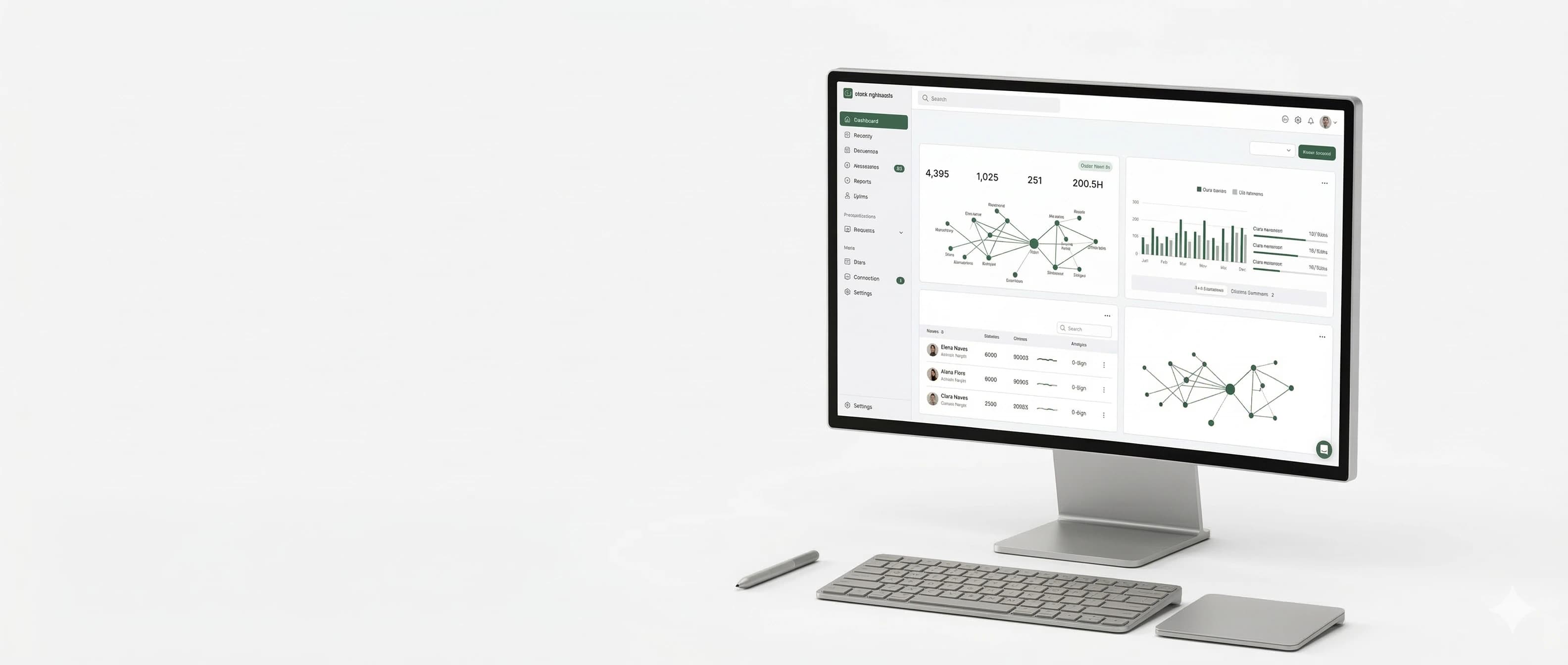
Role
UM SIKLAB team contributor
Team
Hackathon team
Timeline
ASEAN AI Hackathon 2026
Problem
What this project needed to solve
- Terminal congestion creates delays and poor passenger experience.
- Boarding demand can shift quickly and needs smarter forecasting.
- Seat allocation needs to balance availability, demand, and service flow.
- The solution needed to communicate smart-city value clearly in a competitive hackathon setting.
Solution
Robert's product and technical direction
IQueue applies AI-powered demand forecasting and intelligent seat allocation to reduce terminal congestion and service delays, positioning public boarding as a smart-city optimization problem.
Architecture
How the idea is structured
Smart boarding flow connecting passenger demand, forecasting, seat allocation, and terminal service decisions.
Proof Points
What this project shows
Top 10
Recognition
UM SIKLAB was selected as a Top 10 team in the ASEAN AI Hackathon 2026 Smart City Category.
Forecasting
AI Signal
Shows Robert's exposure to AI-powered demand forecasting and optimization concepts.
Team AI
Recruiter Signal
Adds competitive hackathon evidence beyond agriculture and UI/UX.
Process
How Robert approached it
Problem Framing
Connected terminal congestion and service delays to demand and allocation decisions.
AI Product Direction
Shaped the concept around forecasting and intelligent seat allocation.
Hackathon Execution
Contributed within UM SIKLAB under ASEAN AI Hackathon constraints.
Next Step
Discuss this project with Robert
Use this case study as proof for Robert's portfolio direction, then return to the assistant or contact page for a role-fit conversation.