ARMS
Repair shops need organized service records, customer tracking, and workflow visibility instead of relying on scattered manual processes.
Role
Full-Stack Developer
Team
Academic or portfolio system
Timeline
System design and build phase
Problem
What this project needed to solve
- Manual tracking can make service histories difficult to retrieve.
- Repair-shop workflows include customers, vehicles, services, status, and records.
- The system needs clear database structure before the interface can be useful.
- Staff need a practical tool that supports repeated daily operations.
Solution
Robert's product and technical direction
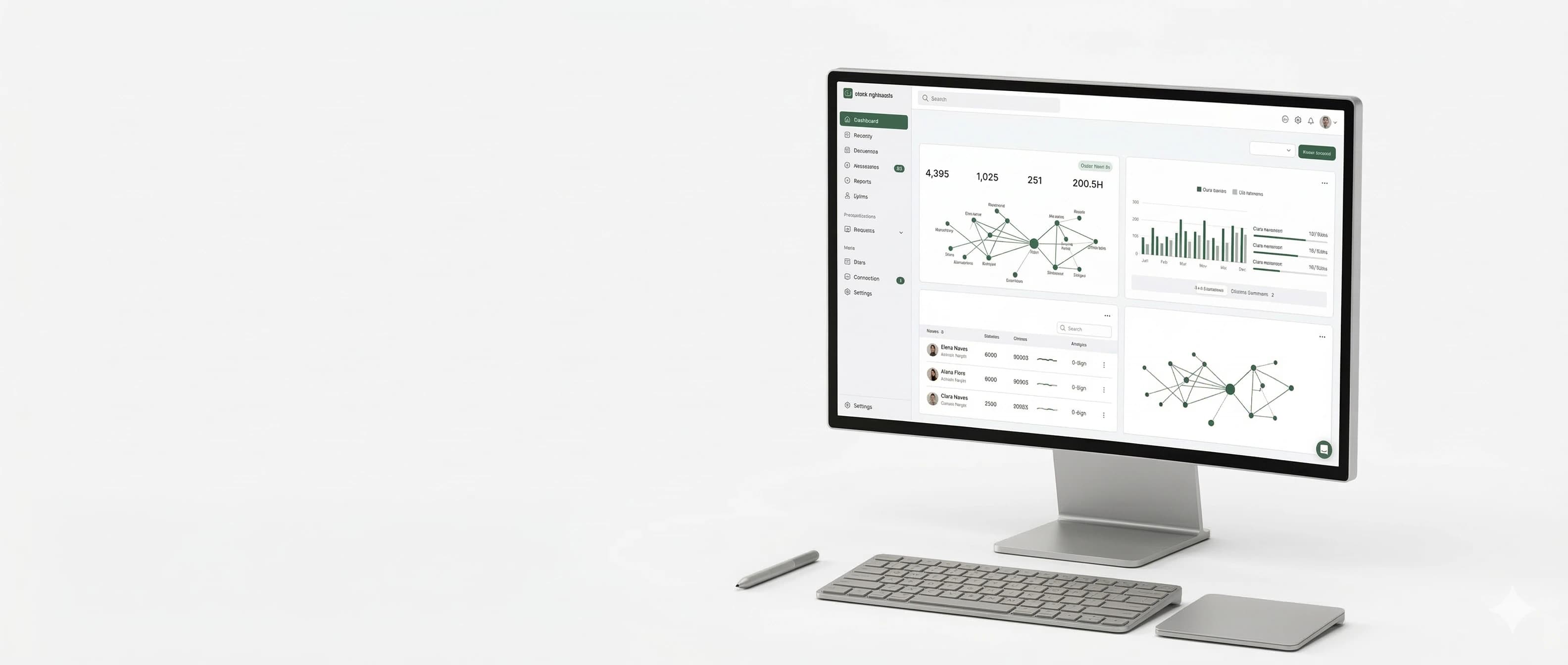
ARMS translates repair-shop operations into a structured full-stack management system with organized records, workflow states, and practical database-backed system design.
Architecture
How the idea is structured
System architecture centered on customers, repair jobs, service records, workflow status, and reporting needs.
Proof Points
What this project shows
Systems
Portfolio Proof
Shows Robert's ability to model a practical business workflow.
Full-stack
Technical Signal
Highlights React, Laravel, SQL, and structured thinking around entities, records, and operations.
Business
Use Case
Grounds development work in a real operational environment.
Process
How Robert approached it
Workflow Study
Identified the main repair-shop records and actions the system needs to support.
Data Modeling
Defined core entities such as customers, vehicles, services, and repair status.
Interface Planning
Organized screens around frequent staff tasks and record lookup.
System Build
Prepared the implementation around practical management-system workflows.
Next Step
Discuss this project with Robert
Use this case study as proof for Robert's portfolio direction, then return to the assistant or contact page for a role-fit conversation.